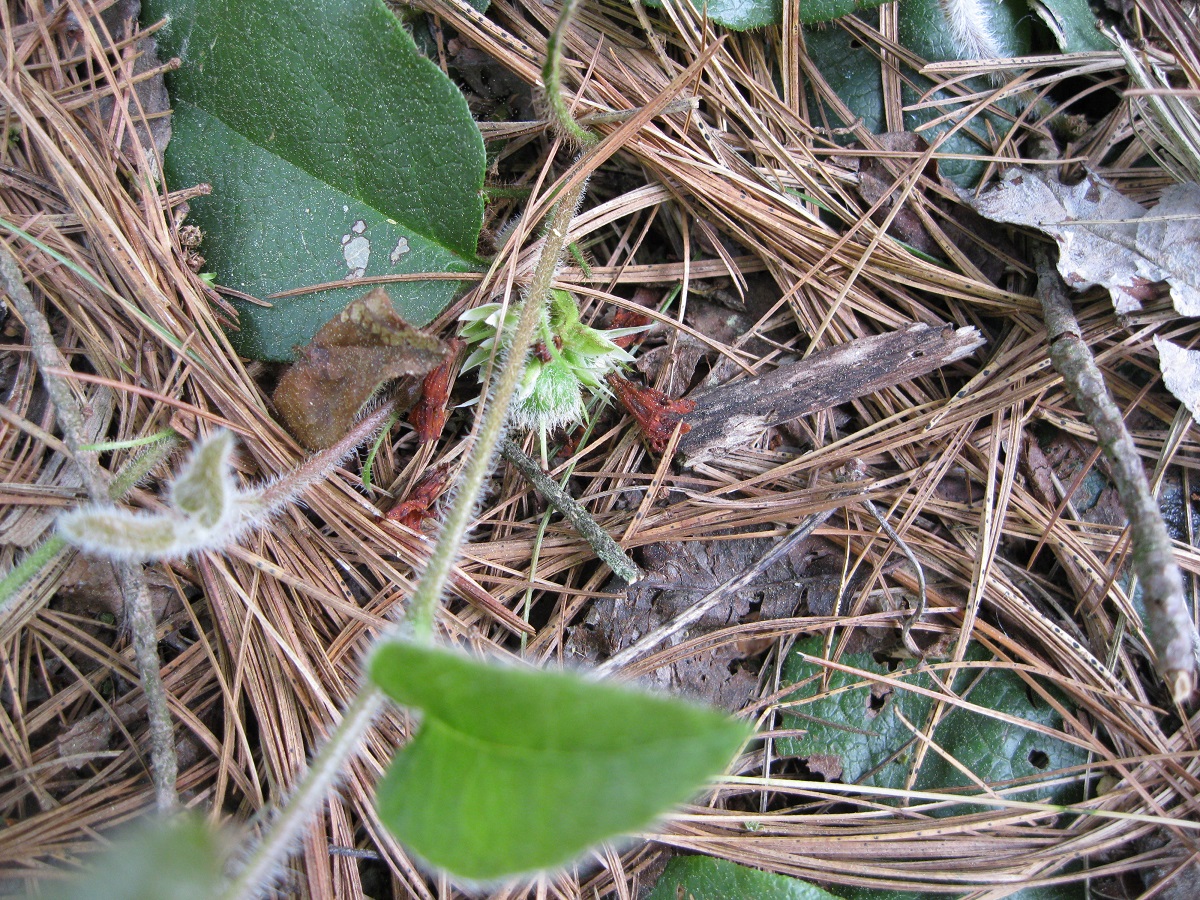
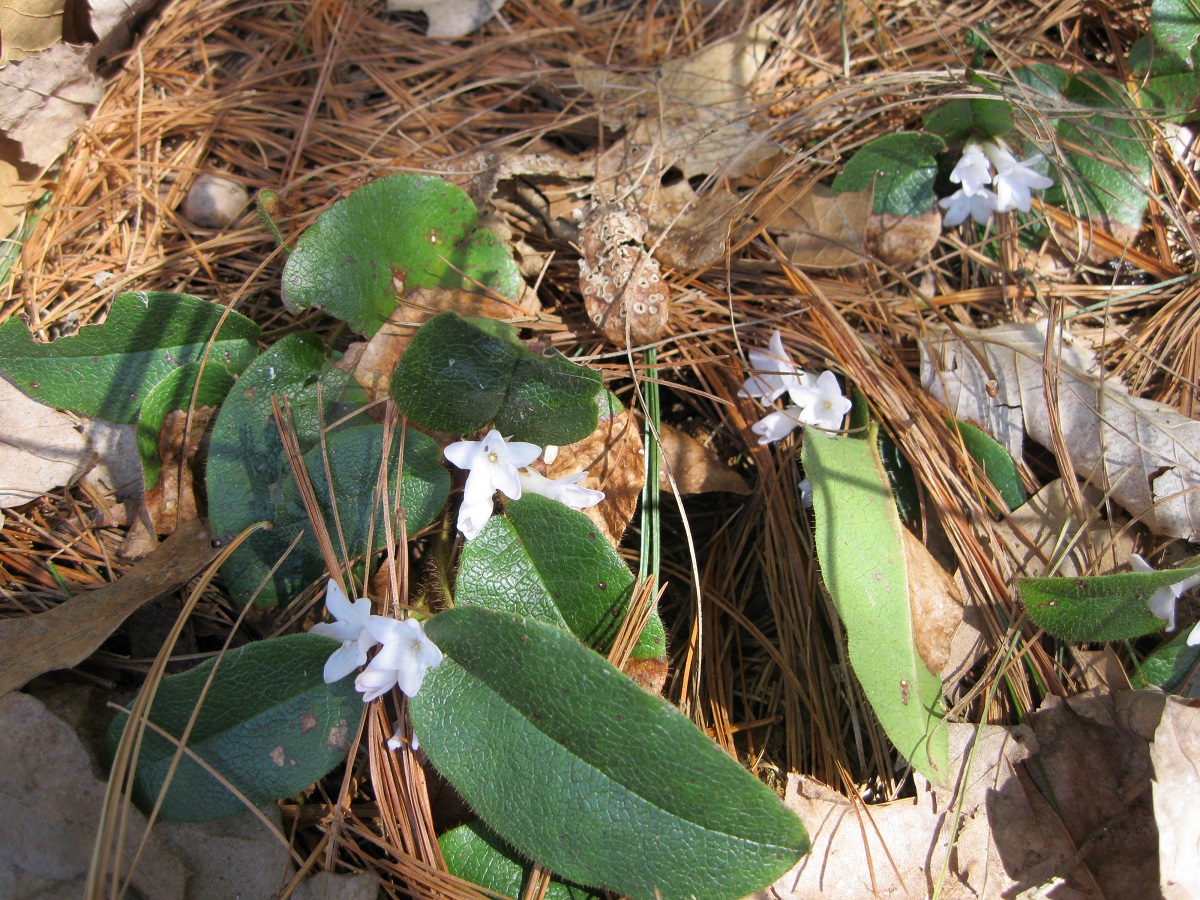
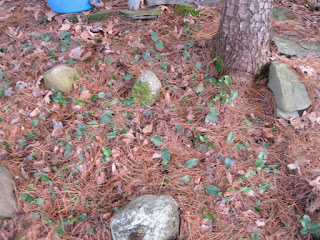
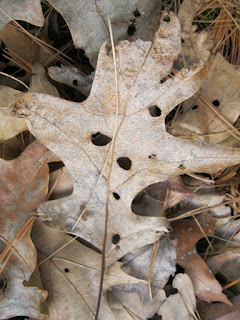
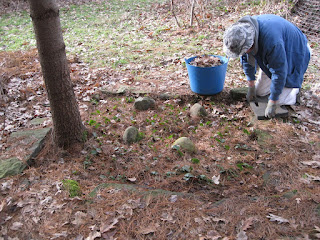
When we first found it we knew nothing about it other than it had sweet smelling flowers in April or May. Some years we found and enjoyed these blossoms while other years no trace of the plant could be found. What we eventually learned was that this evergreen plant exposes its sweet tasting leaves following snow melt. Rabbits are particularly fond of feeding on these leaves. Despite this damage, the plant used the next three years to reestablish itself and flower. That explains the wire cage that covers this plant. The dry stone walls surrounding the cage have to date made it impossible for hungry animals to push the cage aside or slide under it.
Friday, July 8, 2022
Four Patches Of Mayflowers In July
Sunday, June 5, 2022
New Growth
Saturday, April 23, 2022
Another White Pine Hit
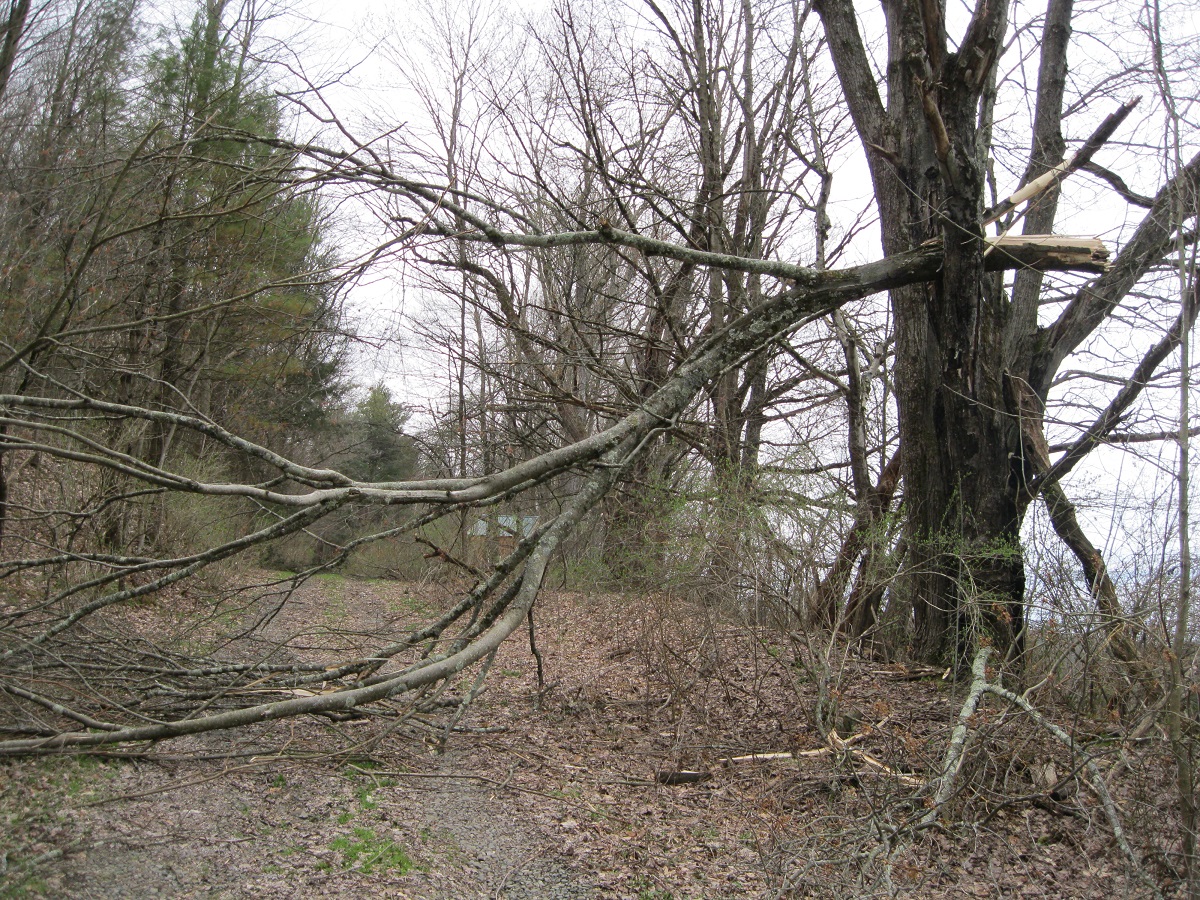
That is Becky wearing her pink hat sharing tender moments with Luca, the good neighbor's dog. We are pleased that this white pine dropped its heavy branches without contacting the stone wall or the arbutus patch. After surveying the damage we realized there is nothing we can do about it today.
Friday, April 22, 2022
Damaged Giant
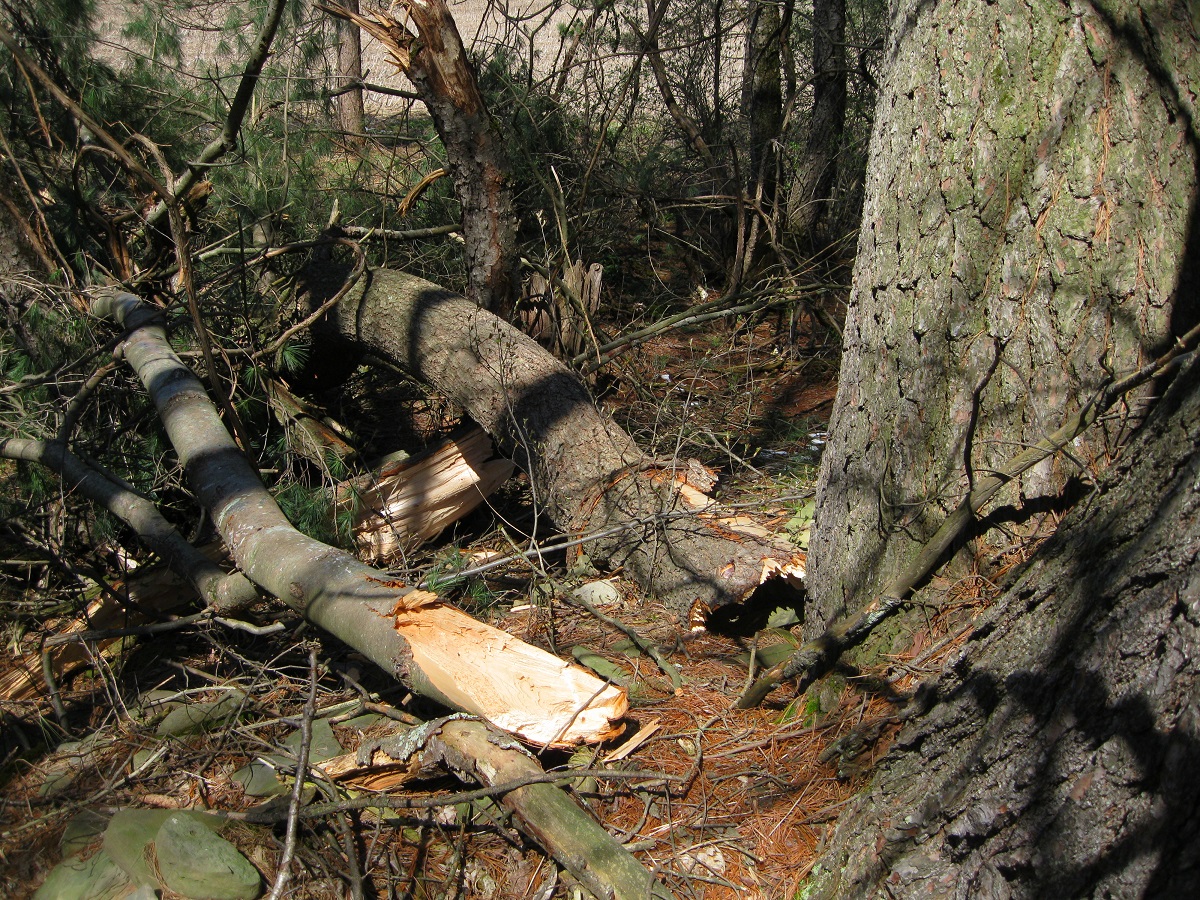
This stately White pine tree grew along the edge of the river bottom field. Fortunately much of it remains intact but it did suffer a huge hit. The ground at the base of this tree features a deep deposit of decayed pine needles. That seemed like a perfect place to transplant Arbutus plants.
Fortunately the broken tree pieces fell toward the river rather than on our land. This loss to the tree is enormous but it appears that enough undamaged tree remains to support continued growth.
This welded wire cage protects the two Arbutus plants placed here. It is designed to keep hungry woodchucks and rabbits away from our plants. The tree debris that fell here was limited to small dead pieces. Both the cage and the plants escaped injury.
Saturday, March 19, 2022
March Heat Wave
This is our small patch of native Arbutus that were growing here when we bought the land more than a quarter of a century ago. Some years we could find sweet flowers while the plant seemed to have disappeared many other years. This patch taught us that wild animals feed on this evergreen plant and protection is in order. Chewed to the ground several times somehow these plants regrew. Now a wire cage keeps them safe.
Three days ago we discovered the remains of a deer quite close to the house. Coyotes have harvested our deer in the past but never before this close to the house. We did make a close inspection of the various body parts scattered about. White hair under the chin suggested that this was an old deer. We expected that we would have to clean up the less desirable body parts scattered about but left the site just as we found it. That night Becky heard unusual noises outside of the bedroom window. She carefully opened a window just a crack and listened to what sounded like conversation between the coyotes. The following morning we went out with tools and buckets expecting to clean up the less appealing body parts. The only objects remaining were the tufts of hair pictured above. A well chewed nearly clean section including backbone and the rib cage had been dragged away from the house. We expect a return visit tonight with another meal taken. It is likely that we will not be able to find any body parts tomorrow. We have found fresh kills before and always have quickly left the area. One amazing event that we did witness this time was two of the dead deer's companions feeding quite close to the remains. It would appear that wild animals see death as a normal component of life.
It is not uncommon for our first Deer Tick encounter to occur in March. Our recent experience was uncommon in that the tick was not found on our body. It was seen leisurely swimming across the toilet bowl water. Go figure.
Wednesday, March 16, 2022
Beautiful March Day
Thursday, December 16, 2021
Arbutus Cleanup
An old blog post featured a photo of a young plant sporting reddish buds. The text identified this as the from seed plant that grew here following transplantation. That plant and the four moved here have formed a dense mat preventing me from finding the plant that grew from seed. If we remember to look for pink flowers when winter ends we may finally find it. Other plants have reached the edge of the cage. Our plan is to try once more to root cuttings. We now have three different strengths of rooting compound so success may finally find us. We certainly are looking forward to the end of winter despite its failure to find us yet this year.
Sunday, October 24, 2021
Native Promises Of Spring
Everyone's home, church or place of business needed sweet scented air as Spring took hold. Great expeditions into the forests where Trailing arbutus grew were made to harvest the unbelievably sweet scent of these early flowers. Unfortunately the flowers grew from the stem necessitating the removal of much of the plant when the flowers were gathered. Concerned that these massive harvests were endangering the survival of this plant, a group of Massachusetts woman used several years of political activity to push for a law outlawing the harvesting of this plant. Their organization became known as the New England Wildflower Society and this plant still grows in the wild today.
This photo shows flower buds now forming ahead of the Winter snow. This seems risky to me but how else can flowers open so soon after snow melt? Nothing will prevent us from dropping to the ground to sniff their fragrance without harming the plants. Getting back up will not be graceful but the memory of their scent will once again get me past winter.
Lobelia cardinalis is a native treasure that has demonstrated its difficulty surviving in the Southern Tier or Catskill regions of NYS. John Burroughs wrote about its scarcity more than one hundred years ago. This plant is an evergreen that has already started next season's growth. These bright green new leaves will emerge from snow cover undamaged and ready to grow. Early southern warm weather will push these leaves to fill with moisture. Then the freezing night air will turn this water into ice exploding the leaf cells sometimes killing the entire plants. We have seen many of our plants die and are searching for locations that will insulate survivors from death. These plants are growing on our impossibly small piece of river bottom land. Sheltered by sloping ground, the snow cover lingers here. River fog helps to soften the freezing nights. So far so good although one year we did have one close call with frost blackened leaves. New leaves appeared and these plants still survive here.
Sunday, August 1, 2021
Arbutus In The Hands Of Mother Nature
Our accumulated knowledge about Arbutus plants at the time was scant at best. We did not know that there are both male and female plants. As luck would have it, three of these plants are male. The small plant growing with moss eventually matured and revealed her gender in flowers that were different from the others. For whatever reason seeds have never been seen in this group.
This is our second attempt to transplant Arbutus. We gathered more knowledge between the two attempts so this group of six plants contains three male plants and three females. These plants have reliably produced seed for several years but no identifiable from seed plants have ever been found. Attempts to start plants from seed have also been unsuccessful. This plant has taught us that it will proceed only at its own pace and no attempt by any man will move it from its natural schedule. The density of these plants is something never seen among wild plants. The pruning by hungry animals may result in open ground among wild plants.
This transplant site was chosen because of its nearness to a White pine tree and the lane. The center of the lane marks the border between three property owners. The right-of-way users have been slow to demonstrate respect for the limits of their use of this land so the stone wall was built to define the location of the end of the lane. To date these plants have suffered no damage from man nor beast.
When we were digging the six plants seen above, an unusual group of five tiny plants was found. They also were removed from the ground and placed along the inside edge of a protective cage. Several years later two plants remained. Both genders were present and seed production followed their relocation and maturity. Here again we have been unable to find any plants from seed despite the more open ground.
The jumble of stones in the background marks the area where fertile river bottom land borders the gravel and stone filled mess that the glacier deposited between the river and the bedrock ridge. Those stones were cleared to produce fields fit for cultivation. Our land contains no river bottom land but the deep soil formed from fallen White pine needles seems to suit these two Arbutus plants. Little time passed between their initial planting and reaching the edge of the cage. We are eager to see if any of the growth beyond the cage survives.
Age has severely limited our attempts to care for much of our gardens. Many areas have become weed filled but the arbutus were planted in the natural soil under pine trees and remain largely weed free. They are basically on their own now. For a short time we will continue to watch these plants and enjoy their unfolding life cycle. Hopefully the next owners of this land will recognize the special nature of these plants and help them along if that is needed.
Saturday, June 12, 2021
Going Native
Partridgeberry is a plant that grows wild here. When Ed last moved trailing arbutus here it was when long time friends moved away. He never moved arbutus plants in October before. He had no choice. It was his last chance. That was in 2019. Sadly the Trailing arbutus died. However, the Partridgeberry and the Wintergreen that came along with it are doing great. Partridgeberry is to my way of thinking a perfect native plant. The leaves are attractive. The red berries are edible and have the unique mark of two navels. I was delighted to see that the twin flowers are starting to bloom. One flower is open here but there are more buds showing. Knowing when your favorite wildflowers bloom makes them so much easier to find!
Wintergreen is also a perfect native plant. It has a reputation for being somewhat difficult to transplant and that has been our experience. It is almost three years later and finally we are finding new growth on these plants. I love to chew on fresh wintergreen leaves, but these are forbidden fruit! It was not until I saw the photo that I noticed the tiny beginning of wintergreen flowers. If we have flowers we might have berries. Wow I love teaberries! These plants had beautiful berries when they were moved. I will keep watching and perhaps see them again!
Tuesday, April 13, 2021
Early Arbutus Flowers
This Spring has been nearly totally lacking rain. Recently we had a two day rain event that resulted in nearly one inch of gentle rain spread across two days. Previously we had a single day of light drizzle. With these early drought conditions the plants have widely responded to moisture. The common name May Flower has been earlier been used to identify these plants but here we are just short of mid April and we have flowers.
Tuesday, November 10, 2020
A Promise For Spring
Monday, October 5, 2020
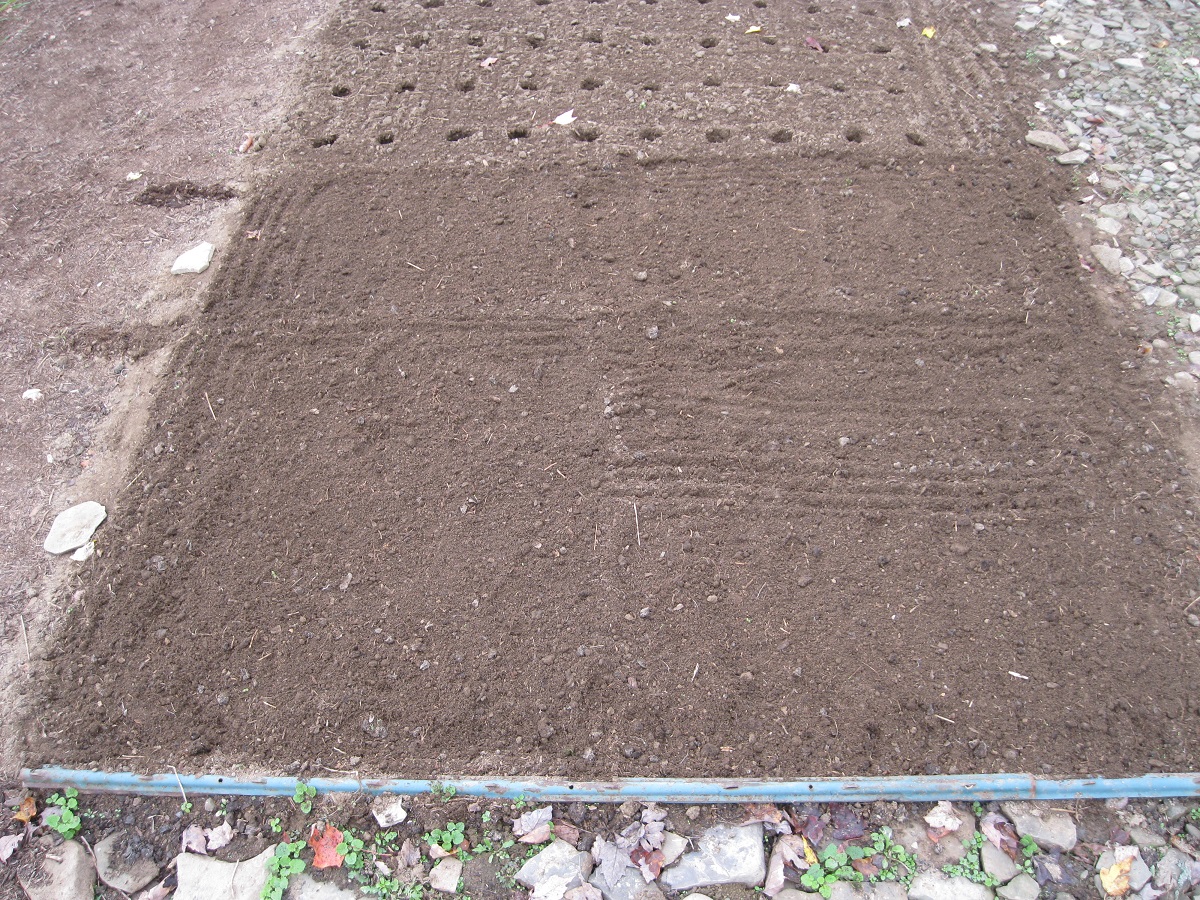
Sixty Planted
This native New England Aster consists of but a single stalk. The recent frosts ended many of the Goldenrod flowers leaving asters as the food source for late Monarch butterflies. Deer left this wild plant alone but heavily feed on the same variety placed in my gardens.